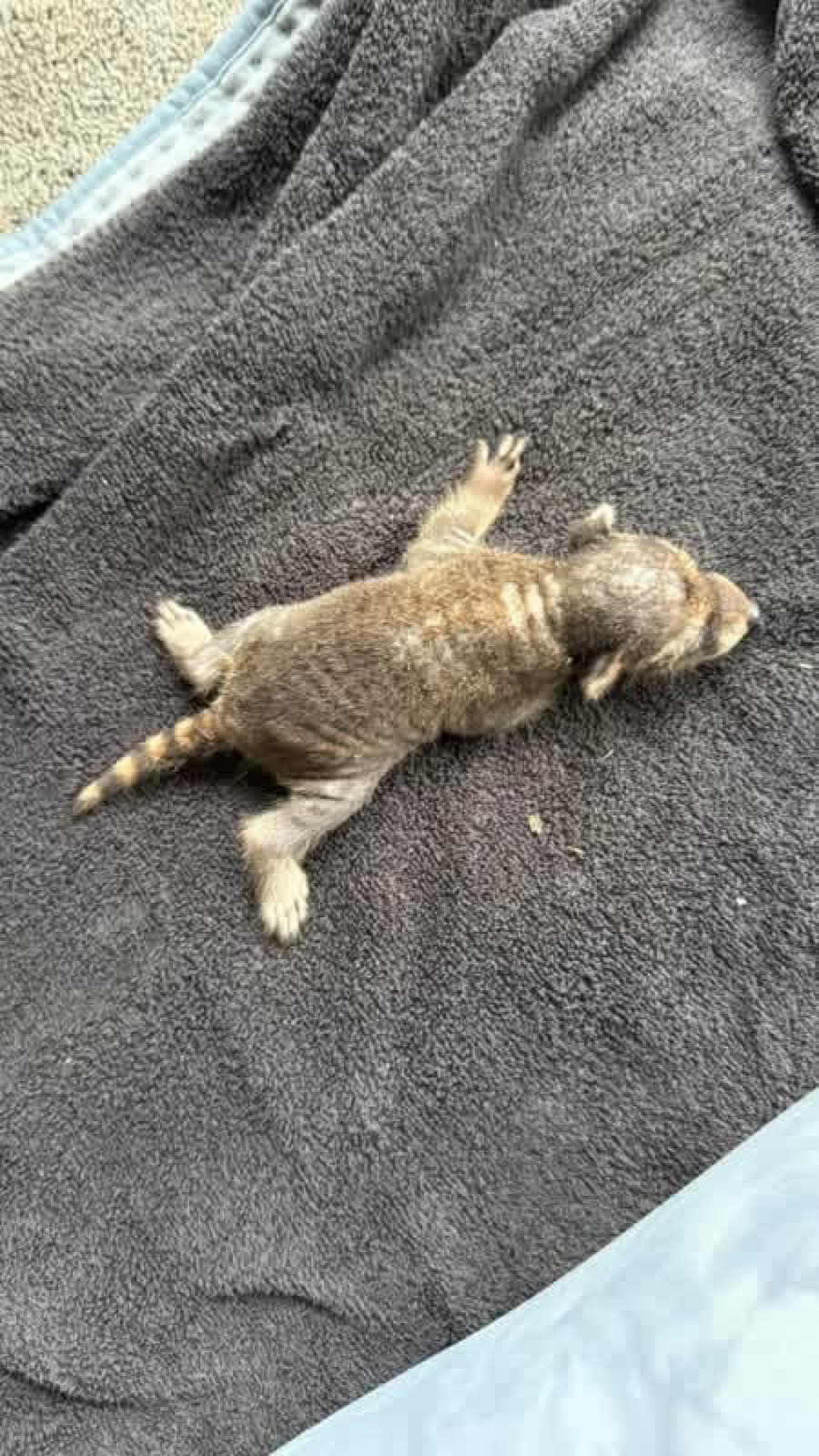
Feeding never stops
Food, formula, and feeding supplies
One current food expense runs about $40 every two days. New babies can also need formula, syringes, nipples, and frequent feeds before any other care cost is counted.
One current food expense for the young raccoons and opossums runs about $40 every two days. That does not include formula for new babies, syringes, gloves, clean bedding, disinfectant, laundry, transport, medicine, or the next enclosure setup. It all piles onto Becky, and community support is what keeps the care moving.
Every arrival starts another round of feeding, cleaning, monitoring, transport, and hands-on care. The slideshow advances every five seconds, or you can move through it yourself.
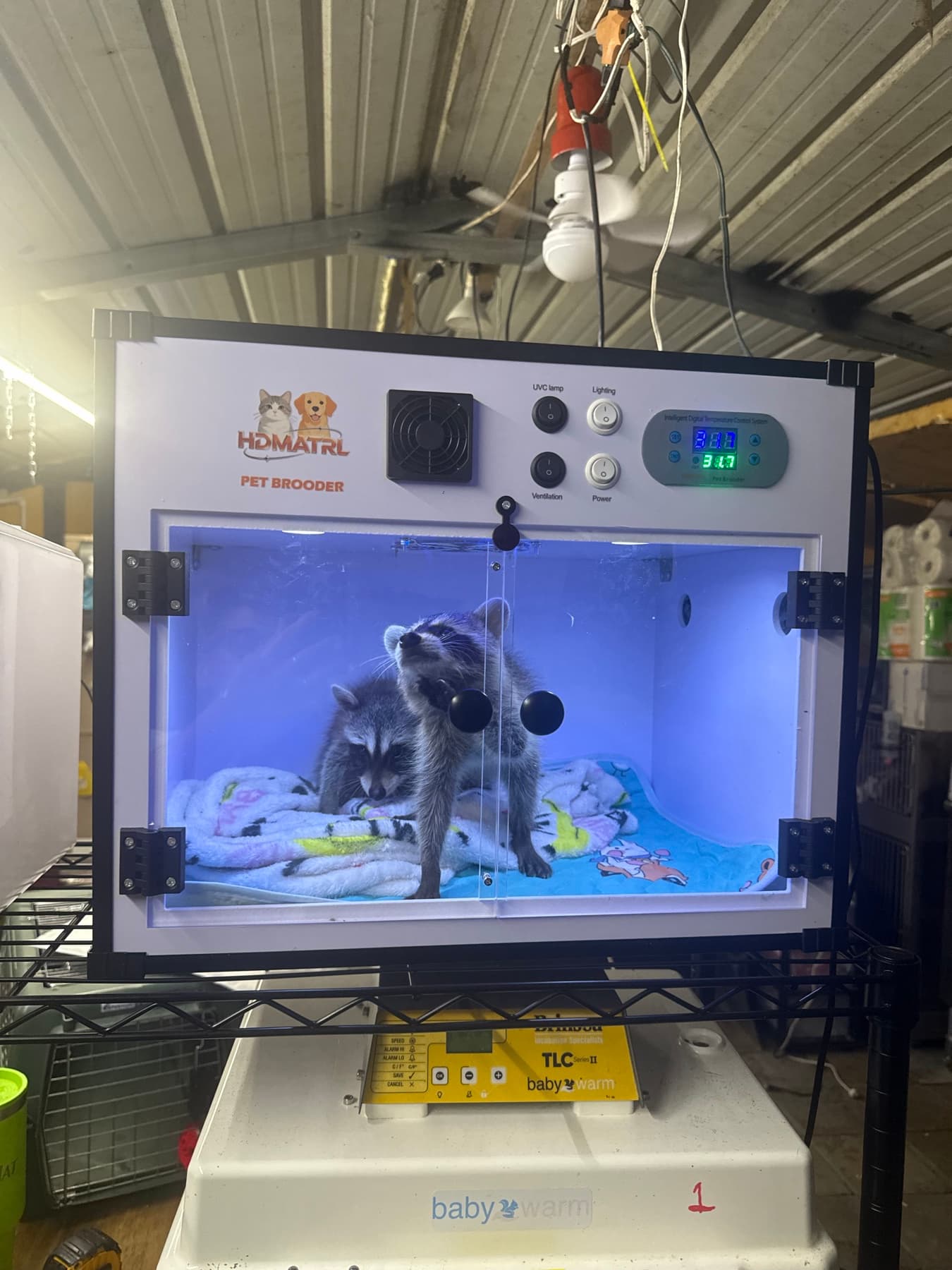
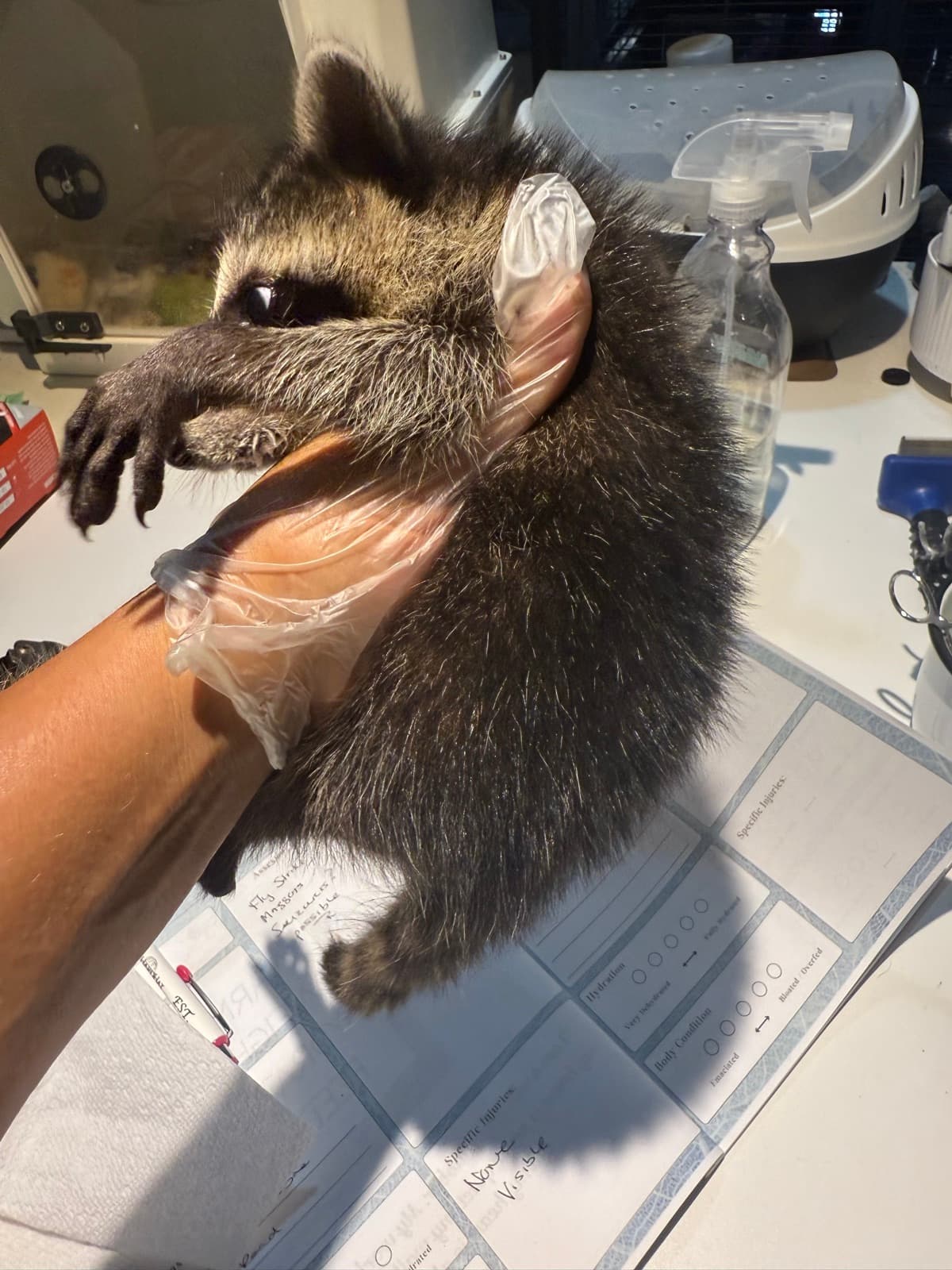
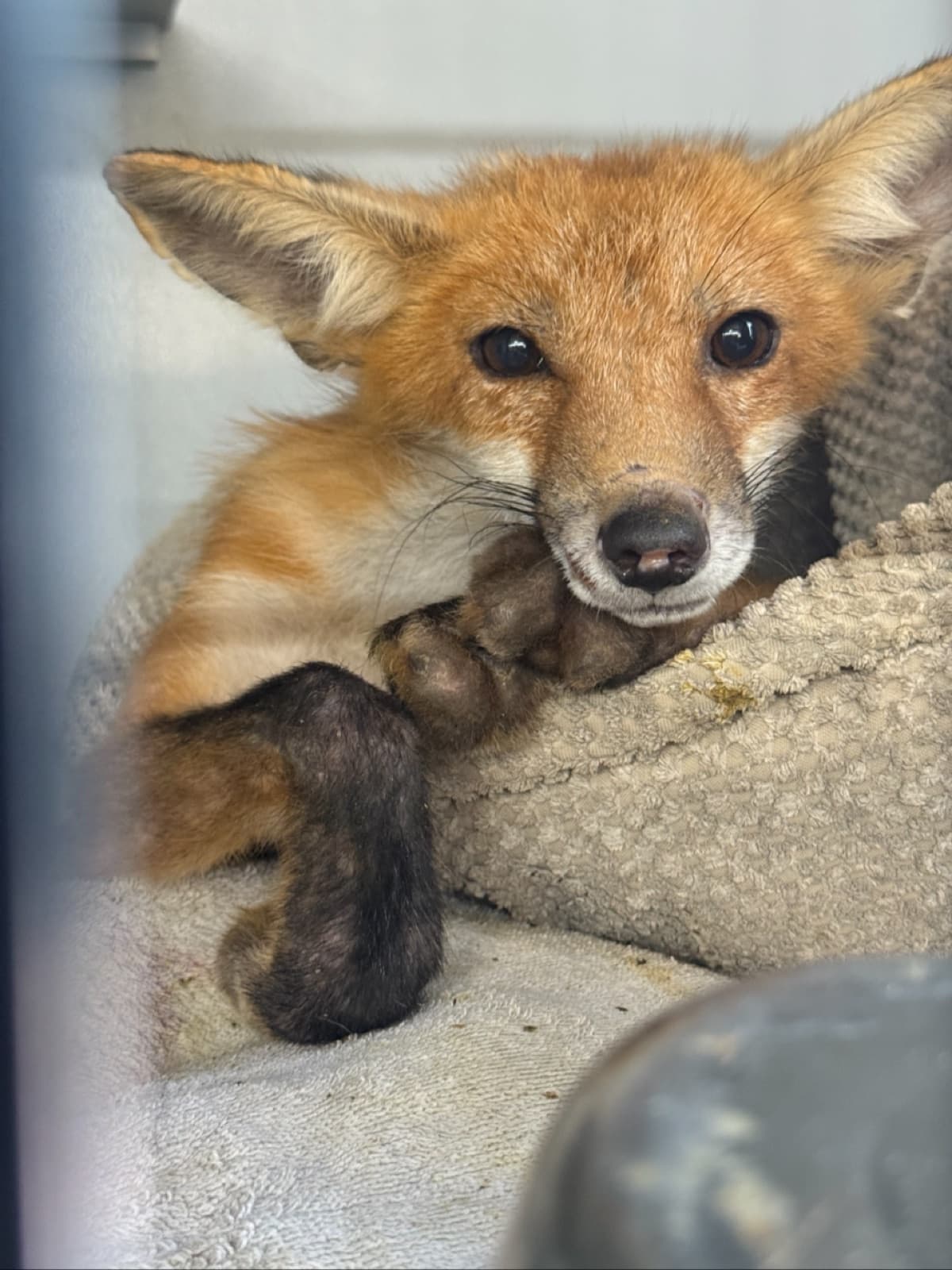
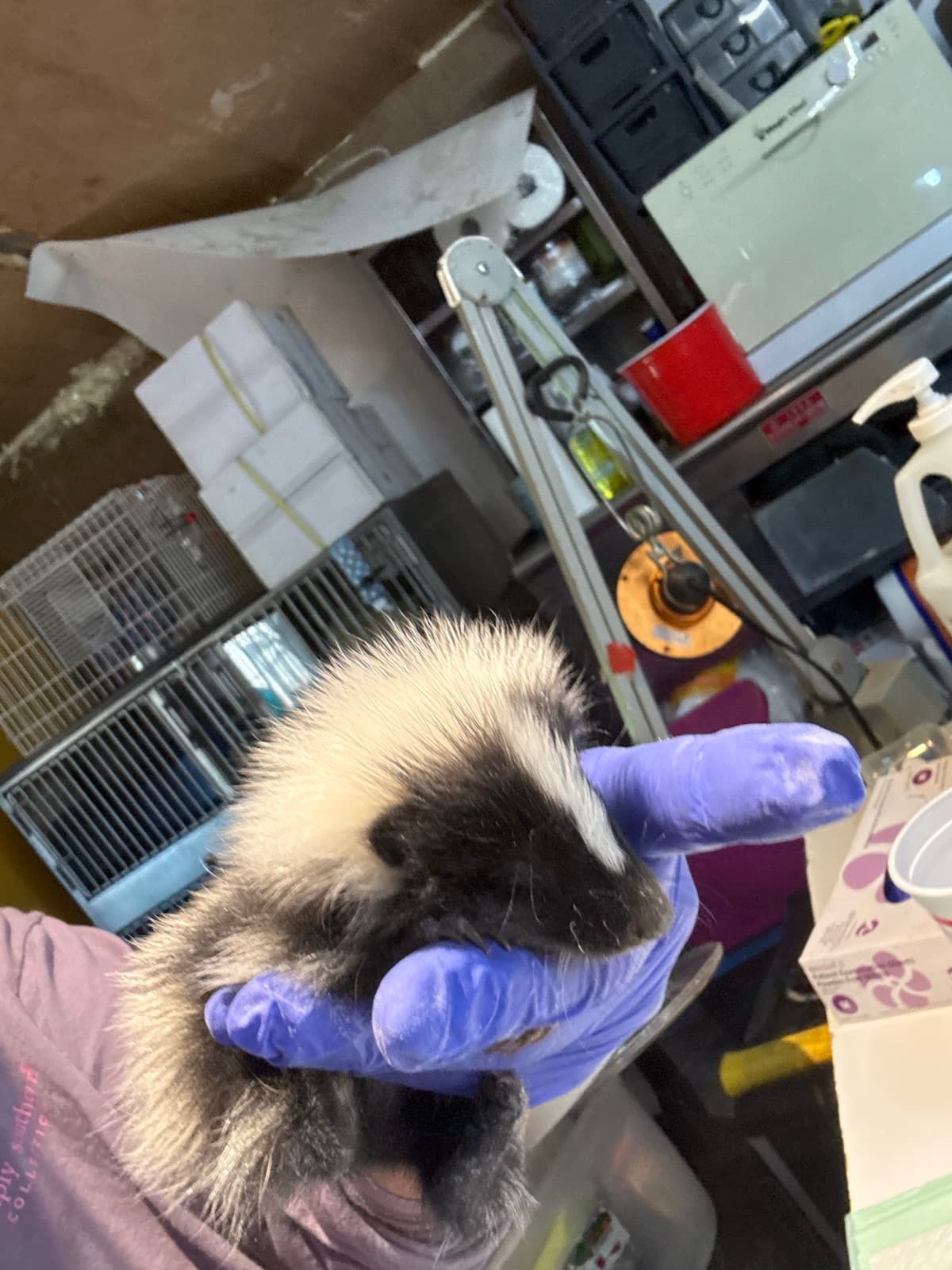
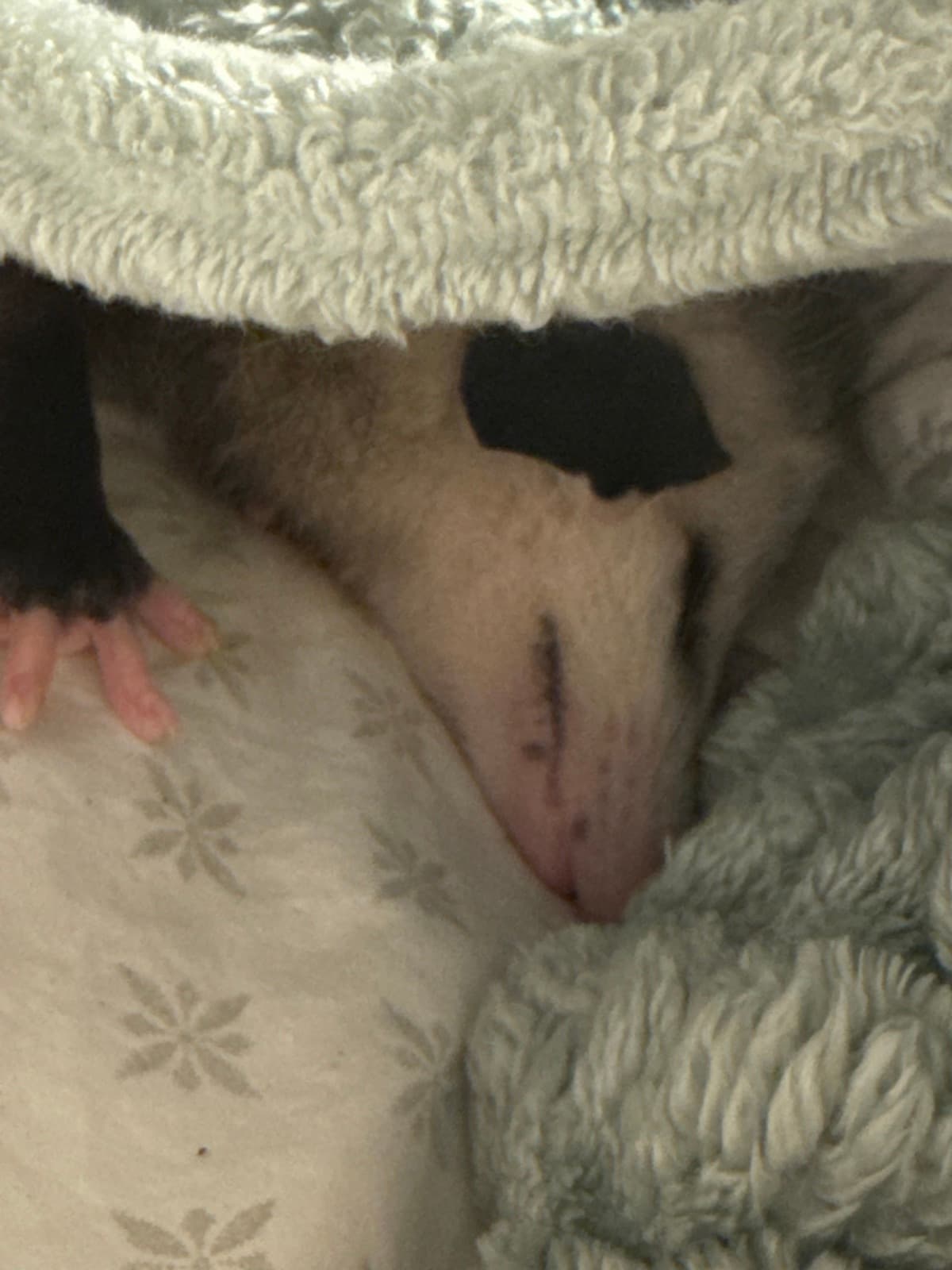
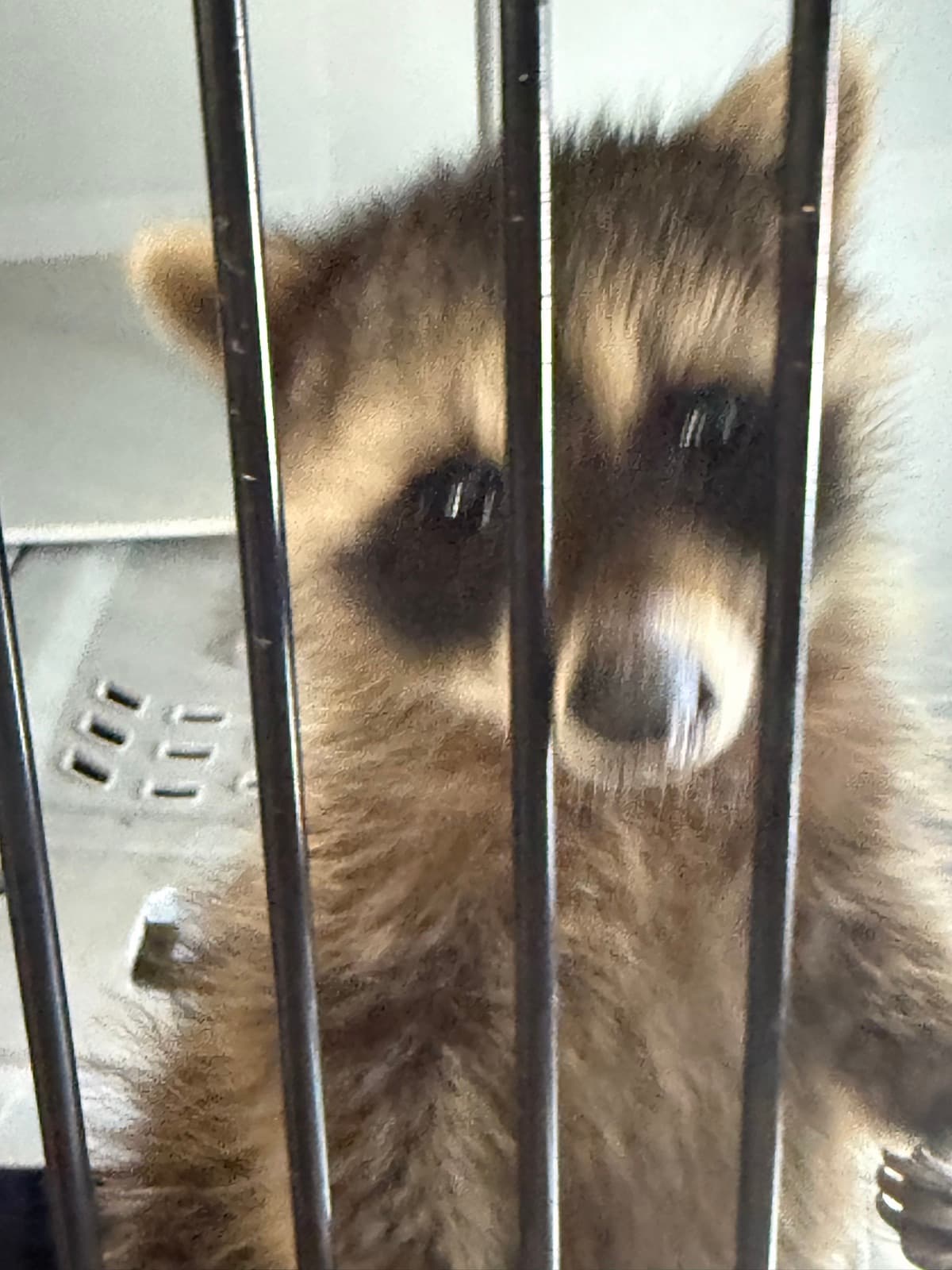
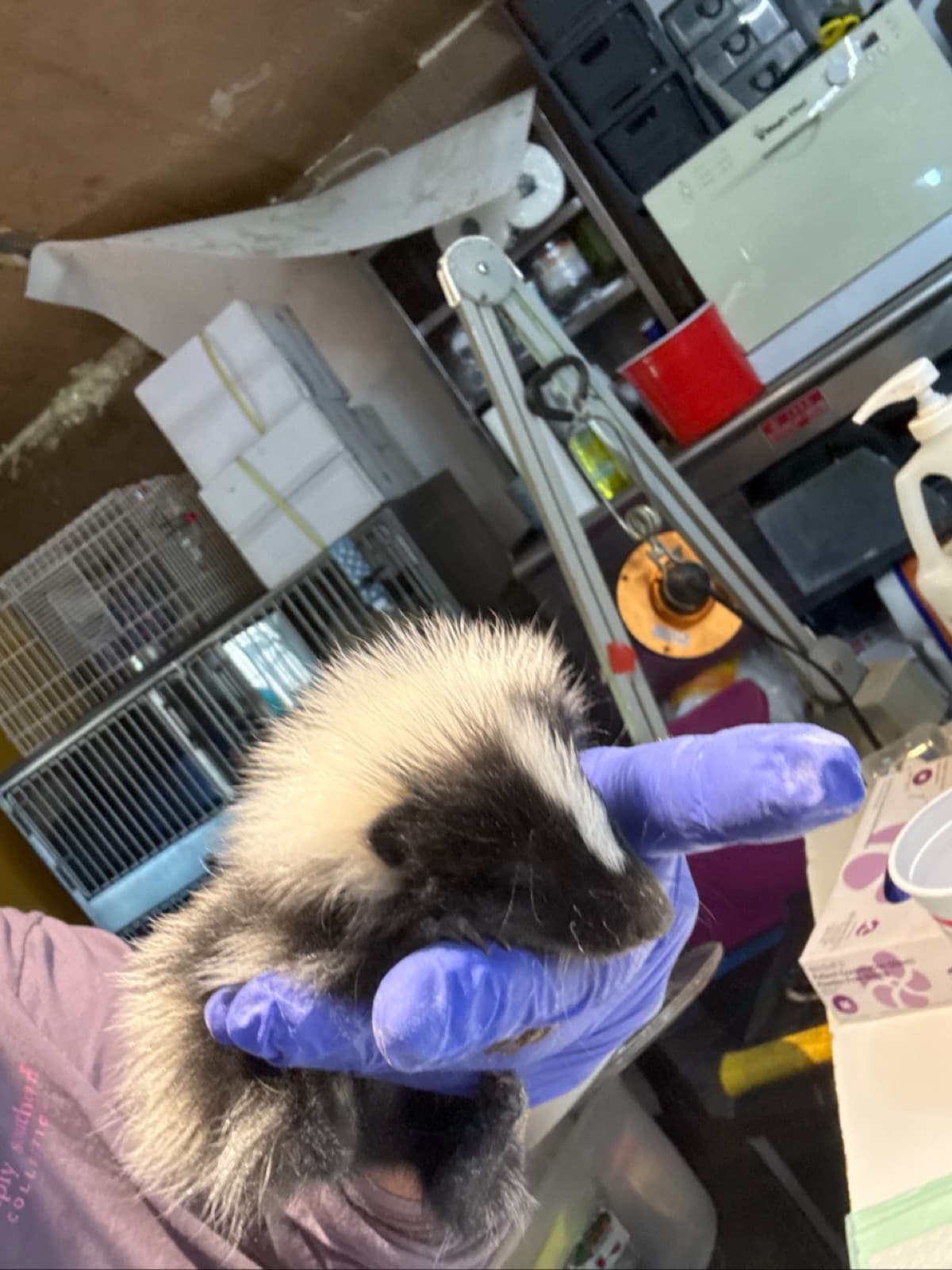
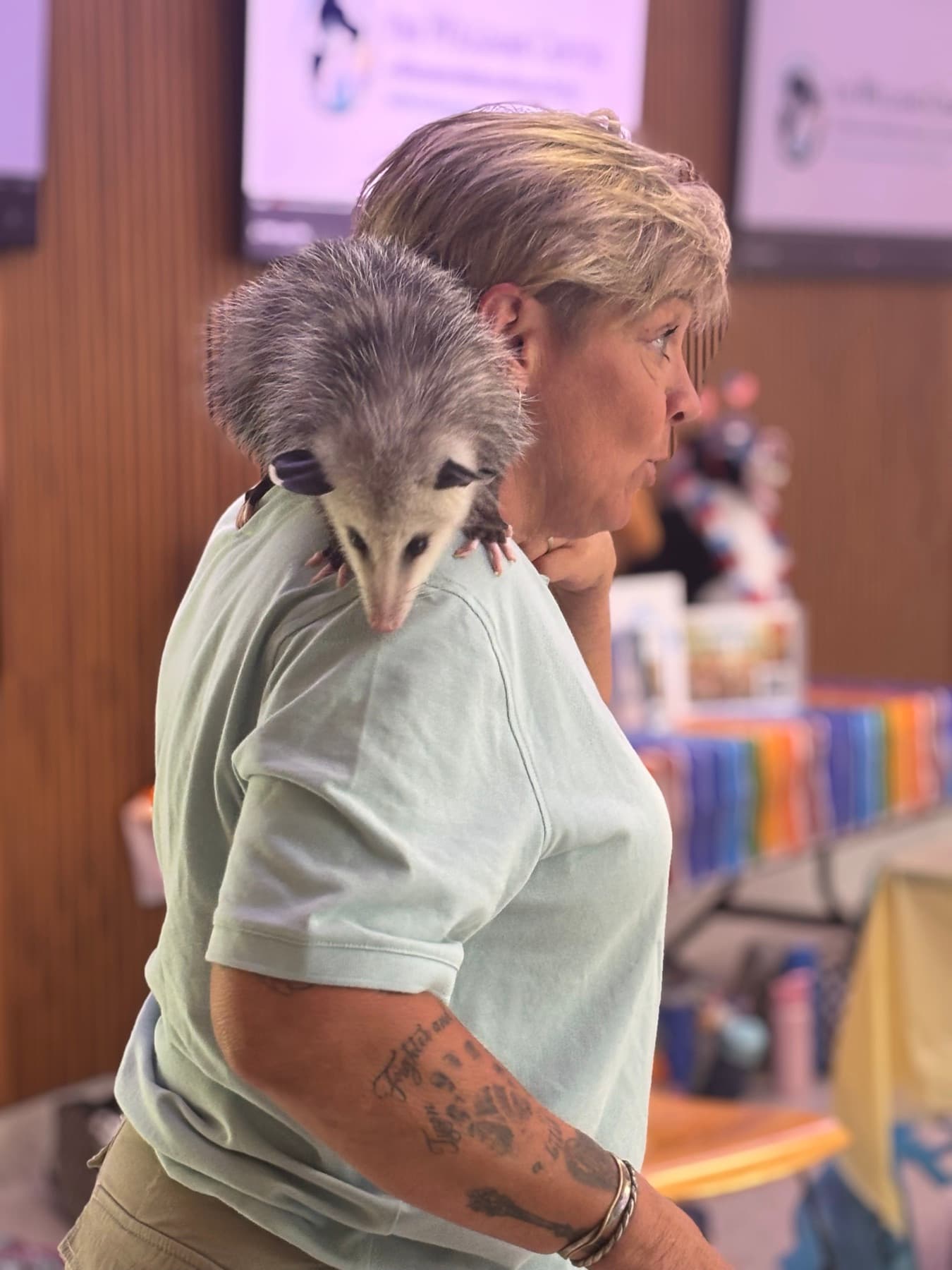
Max's Shuga Shack is a small, hands-on wildlife rehabilitation effort in Shacklefords, Virginia. Becky is at the center of the feeding schedules, clean bedding, intake checks, supply runs, messages, and quiet hours that each animal needs.
This is not a large institution with a deep operating budget. When food runs out or another animal arrives, the cost lands here—and community support is what keeps the care moving.
Stand behind Becky's workNew babies can add formula and frequent feeding supplies overnight. Cleaning, sanitary materials, bedding, laundry, transport, medicine, and safe housing keep piling on behind them.
One current food expense runs about $40 every two days. New babies can also need formula, syringes, nipples, and frequent feeds before any other care cost is counted.
Towels, fleece, gloves, syringes, disinfectant, laundry, and safe heat support are used and replaced constantly.
Each new animal can mean another carrier, enclosure setup, feeding schedule, supply run, and drive before recovery even begins.
Exams, medication, treatment, and transport arrive on top of the ordinary feeding and cleaning costs when an animal is hurt.
The $40 food run is one line item—not the whole need. Formula for new babies, feeding tools, clean bedding, disinfectant, laundry, transport, and medical care all come after it.
Help with the next needTransport, laundry, supply pickups, small projects, and fundraising help all create more time for animal care. Share the kind of help that fits you; the form takes about a minute and saves directly to Becky's volunteer list.
No wildlife experience required. Sending the form is an offer of interest, not a commitment to every request.
A gift today means Becky can focus on the animal in front of her instead of wondering how to cover the next supply run.
Choose my donation